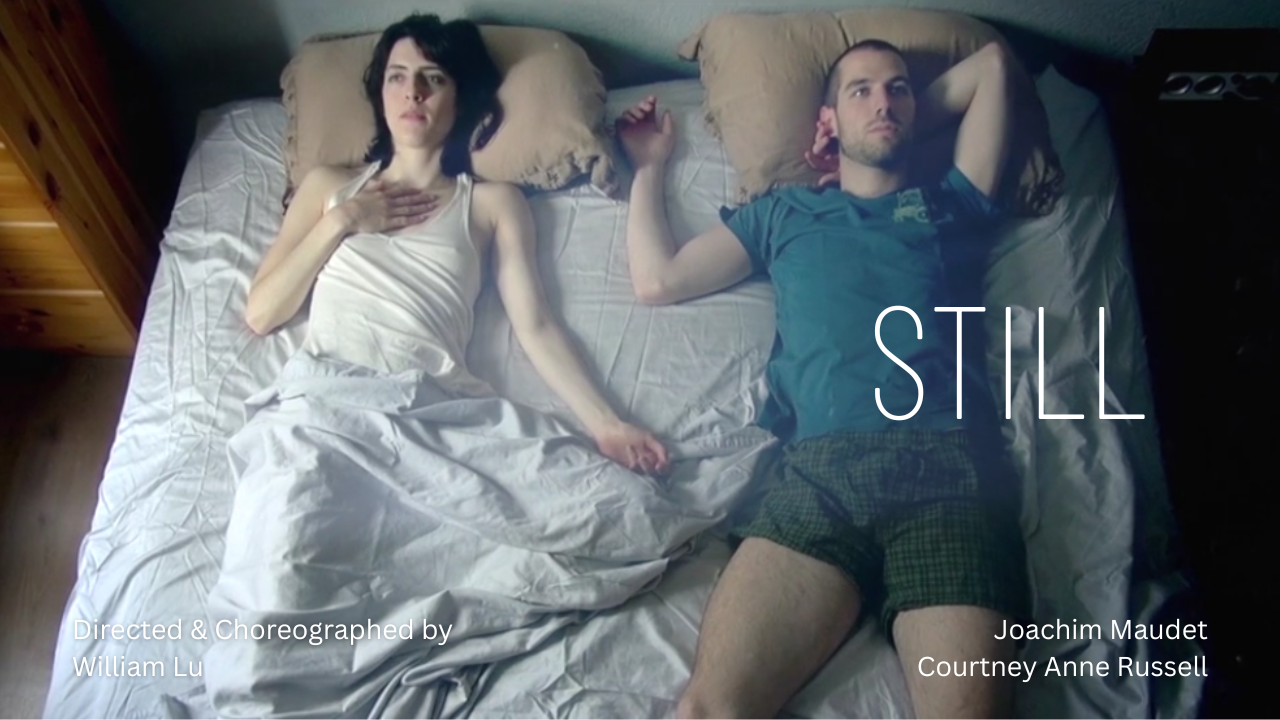

The subject of love and all it implies has fascinated me since childhood. My mother was married five times, and through watching love enter and exit her life with remarkable ease, I absorbed an early understanding of love as something that arrives with great promise but rarely lingers. Growing up with this and the heteronormative promise of “happily ever after,” it’s pretty much impossible not to be convinced that love is something you waited for. But then what? Love seemed like something that happened to you, not something you moved toward.

Being gay sharpened this problem for me early on. It is difficult to move confidently toward another person when you grow up knowing that your desire is considered abnormal, rarely affirmed, and often safest when hidden. It’s not like the world is abounding with great examples of divergent love. It’s understandable that many gay men delay coming out until they’ve already secured a partner, as if legitimacy must be granted before agency can be exercised. Understandable, yes, but not helpful.
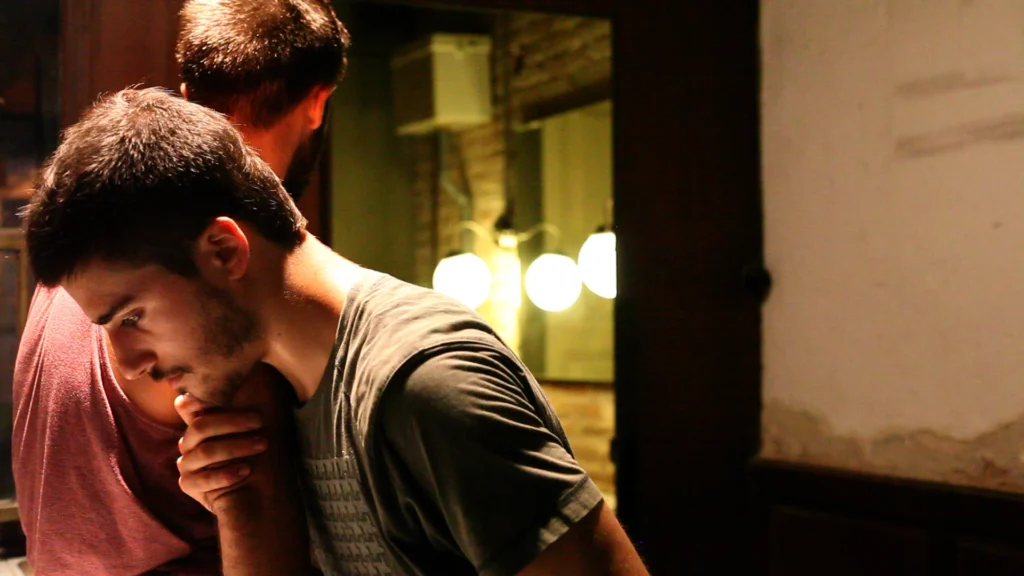
So captivated by this essential topic, I deviated from my course in neurocognitive science and used some substantial chunks of my PhD studies to explore it. My question was, “What do we want from love and how do we pursue it?” Actually the full question was, “What are our expectations for fulfillment in romantic love, sex, partnership, family, and community, and how do we spend our energies, time and resources to build it?” But this reflection wasn’t limited to academics, I mull this over constantly.

Friends often told me I was a catch, though from my perspective I met very few fishermen. Courtship itself seems to have become suspect, as if actively reaching for connection now signals desperation rather than purpose. Instead, effort has been redirected toward being attractive—toward perfecting the image rather than initiating movement. It feels as though everyone was standing before a mirror, watching themselves and one another indirectly, unsure how to step out of the reflection and into relation. If no one is willing to court in earnest, what happens when two people recognize each other but neither moves?

When I considered my single friends I saw that these people were attractive, interesting, had their lives together, and wanted a partnership but couldn’t find one. They weren’t desperate or demanding, simply wanting what life supposedly promised at every turn. And yet every turn was empty or led nowhere.
I thought, “Well, nothing is wrong with them, and the opposite can’t be true—that something is wrong with everyone else. So what’s the deal?” Why do people who succeed in so many areas of their lives, careers, finances, achievements, struggle in love? Romantic desire does not operate as a reward for readiness or effort. Attraction depends not on intensity or worthiness, but on whether two people are oriented toward the same relational direction. When directions differ, desire can still be real, even mutual, without being mutually fulfillable. The question then becomes not ‘Why doesn’t this work?’ but ‘What conditions allow desire to grow into shared reality?”
The one thing I knew was that the answer to this question had to be simple. While the journey to discover something worthwhile might be long and intense, the answer is always beautifully and liberatingly simple.
I’ve come to think of this as an inner physics of attraction, not fate or chemistry in the romantic sense, but the structured way our nervous systems orient toward certain people, directions, and relational possibilities. Just like our brain extends beyond our skull, our nervous systems extend beyond our bodies, both creating and detecting waves of attraction between ourselves and others in their ebb and flow.
In addition to using academic pursuits to explore the field, I found poetic expression equally as helpful. There is a deep enjoyment to creating an utterance of image, statement, poem, or performance that expresses something elusive, something eating at you.
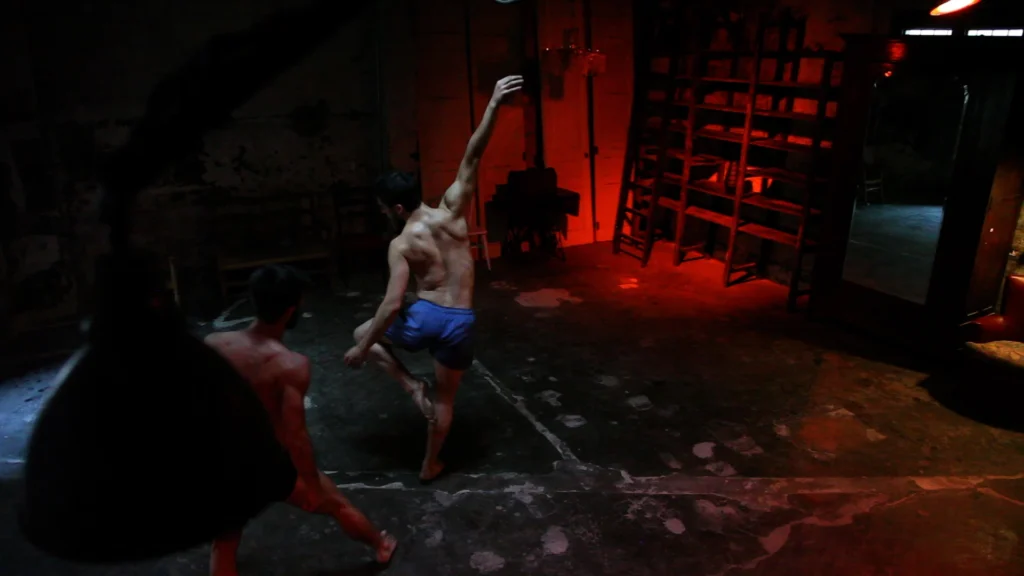
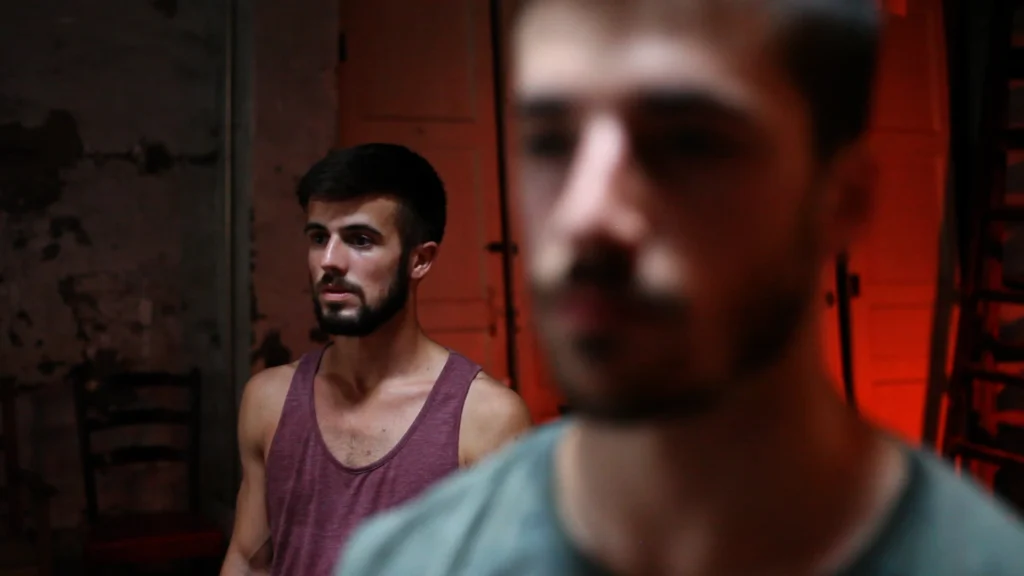
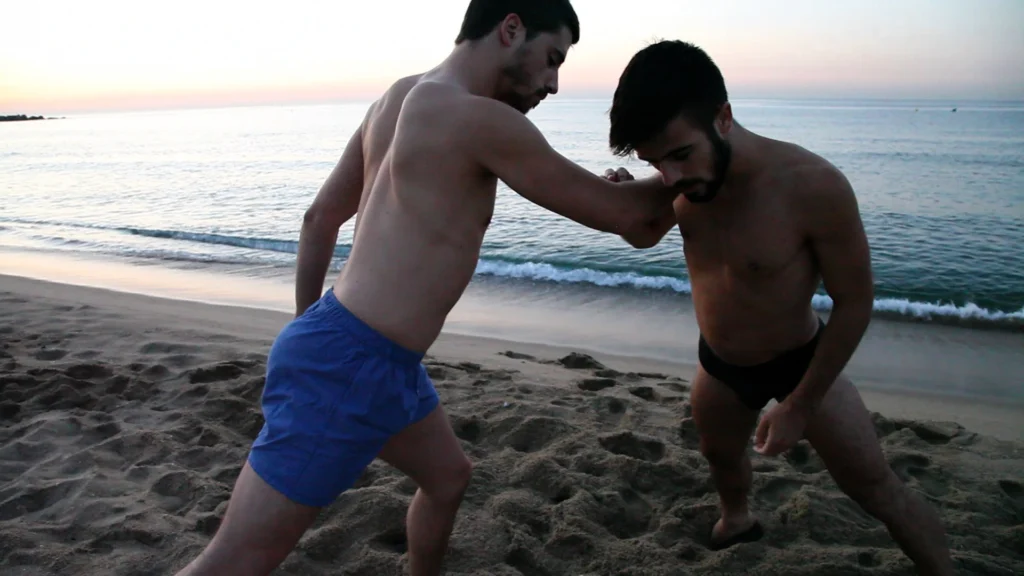
In a long line of such expressions I worked with a friend to create a short movie expressing the disconnect when two people do not share the same desire. This film is not about rejection or failure, but about what becomes visible when two people are oriented toward different relational directions. In one person, the fulfillment of that desire might seem like the answer to all one’s internal questions; if only the other would simply cooperate. The emotions of the other are perhaps slightly more complicated both enjoying being desired but for whatever reason not sharing in the longing.
The hope is to start a conversation, even if only with myself, something that would lead to more wisdom and helpful creative expression.
What is obvious is that we have agency in these matters. However, agency is often misunderstood. In love it is lost in the currents of longing. It is not the power to force alignment, nor the wisdom to disengage the moment resistance appears. It is the capacity to remain responsible for one’s own direction, over time, without asking the other to become something they are not. Time does not solve misalignment, but it reveals it, offering either convergence or clarity. Holding that process consciously, navigating it, is real agency.
Isn’t it fascinating that we readily accept the need for wisdom, mentorship, discipline, and long-term effort in our careers and finances, yet often expect romance to simply arrive without effort? When it doesn’t, we are quick to say, “it just wasn’t meant to be.”
But if desire has structure, if alignment depends on direction rather than intensity alone, then this phrase is less of an explanation than a surrender. Not everything that fails is impossible, and not everything that takes time is a mistake. We are not passive recipients of meaning in this domain any more than in the others. We are the makers of meaning.
We are, inevitably, cultivating patterns in how we love, whether consciously or not. The question is not whether we will reap, but whether we will learn to sow with care.